
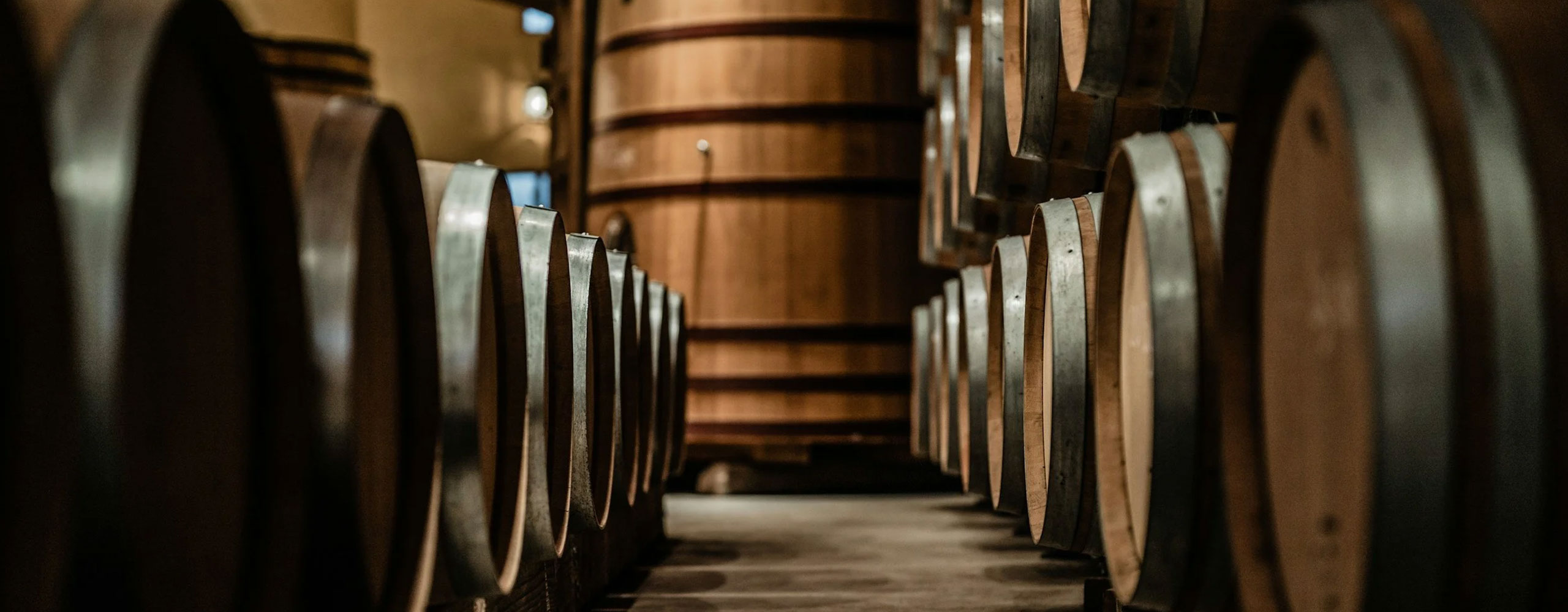
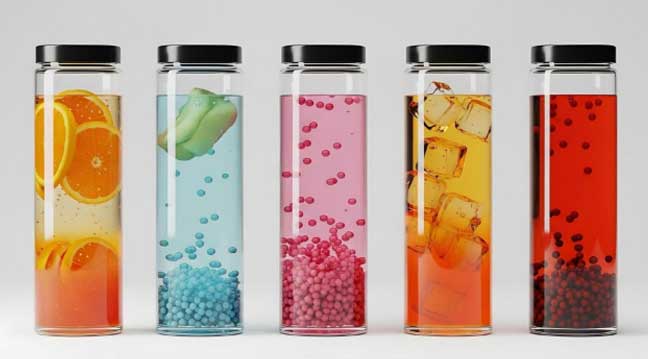
Beverage Formulation Explained: From First Brief to Final Recipe
Beverage formulation is the process of turning a product brief into a stable, scalable, and commercially ready drink. It sits at the intersection of food science, consumer insight, and manufacturing reality, and it is the stage of product development where the most consequential decisions get made. Get it right, and the rest of the process flows. Get it wrong, and you are revisiting fundamental questions at the worst possible time: after money has
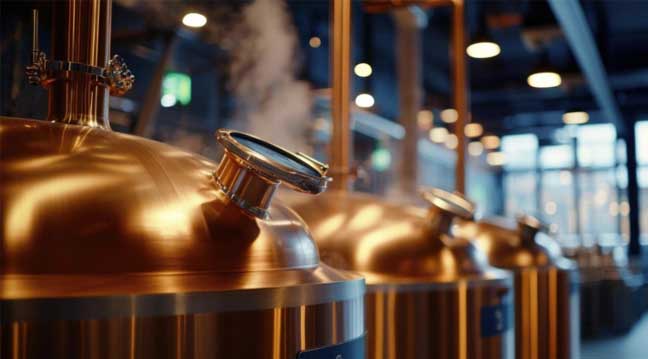
A Practical Guide to Starting a Distillery in Australia
Australia's craft spirits industry has changed dramatically over the past decade. There are now more than six hundred operating distilleries across the country, producing a remarkable range of products — single malt whisky aged in Australian oak, gins built around native botanicals, rum made from Queensland sugarcane, vodka distilled from locally grown grain. The domain has genuine momentum, and for the right operator, starting a distillery in Australia represents a real and compelling
How to Launch RTD Canned Cocktails in the Australian Market
RTD canned cocktails represent one of the most dynamic and consistently growing segments in the Australian drinks market. Consumer demand for premium, convenient, and genuinely flavourful ready-to-drink options has reshaped the category over the past five years — and the growth shows no sign of slowing. For brand founders, distillers, hospitality operators, and entrepreneurs with a compelling product idea, the RTD canned cocktails space offers real commercial opportunity. Getting a product to market,

The Distilled Asset: Protecting Liquid Legal IP
In the beverage industry, your intellectual property is often as valuable as the physical product itself. A carefully developed gin recipe, a distinctive RTD formulation, or a unique brand name can define your market position and drive customer loyalty. Yet many distilleries and beverage producers don't adequately protect this legal IP, leaving themselves vulnerable to imitation, theft, or disputes. Understanding how to safeguard your liquid assets is essential for building a sustainable
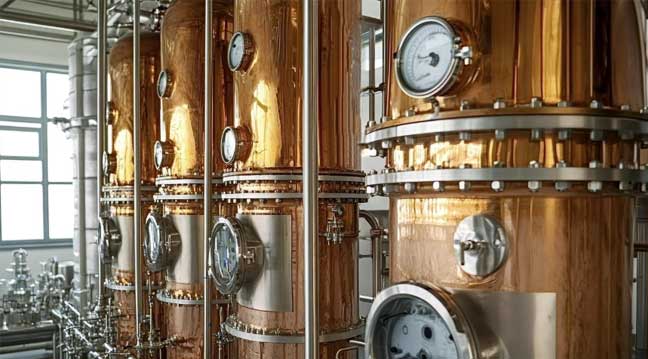
Precision Timing: Navigating the Rhythms of Excise Law
In the beverage industry, timing isn't just about perfecting fermentation cycles or knowing when to bottle. Excise law times—the deadlines, reporting periods, and payment schedules mandated by the ATO—form a critical framework that every distillery and beverage producer must navigate. Miss these deadlines and you're looking at penalties, interest charges, or worse. Understanding the rhythms of excise compliance is essential for running a profitable, compliant operation. The Excise Return Cycle: Your Core Compliance
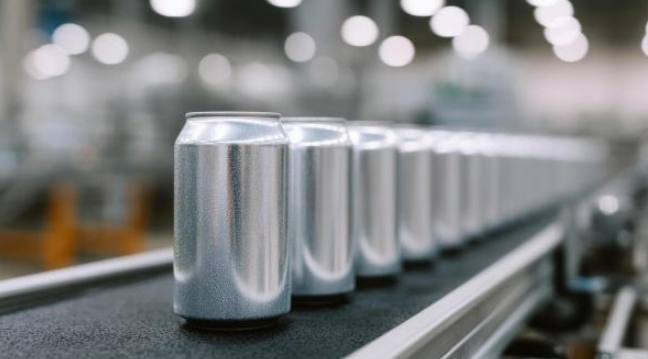
Premium RTD Canned Cocktails Development
How to Launch RTD Canned Cocktails in the Australian Market RTD canned cocktails represent one of the most dynamic and consistently growing segments in the Australian drinks market. Consumer demand for premium,convenient, and genuinely flavourful ready to drink options has reshaped the category over the past five years — and the growth shows no sign of slowing. For brand founders, distillers, hospitality operators, and entrepreneurs with a compelling product idea, the RTD canned
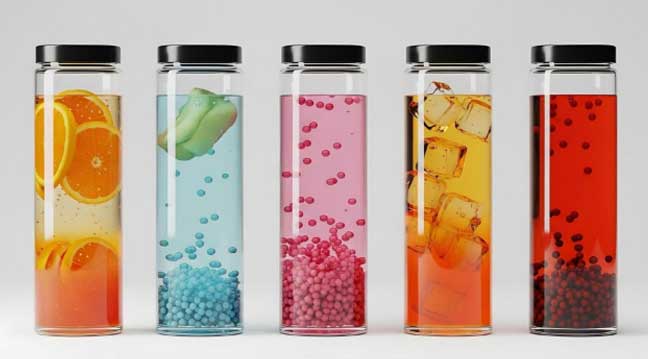
Beverage Formulation in Australia | Harris Bev
Beverage Formulation Explained: From First Brief to Final Recipe Beverage formulation is the process of turning a product brief into a stable, scalable, and commercially ready drink. It sits at the intersection of food science, consumer insight, and manufacturing reality, and it is the stage of product development where the most consequential decisions get made. Get it right, and the rest of the process flows. Get it wrong, and you are revisiting fundamental questions
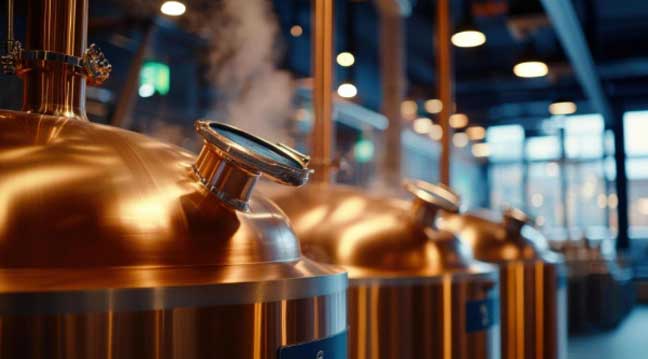
Strategic Distillery Setup in Australia
A Practical Guide to Starting a Distillery in Australia Australia's craft spirits industry has changed dramatically over the past decade. There are now more than six hundred operating distilleries across the country, producing a remarkable range of products — single malt whisky aged in Australian oak, gins built around native botanicals, rum made from Queensland sugarcane, vodka distilled from locally grown grain. The domain has genuine momentum, and for the right operator, starting a